
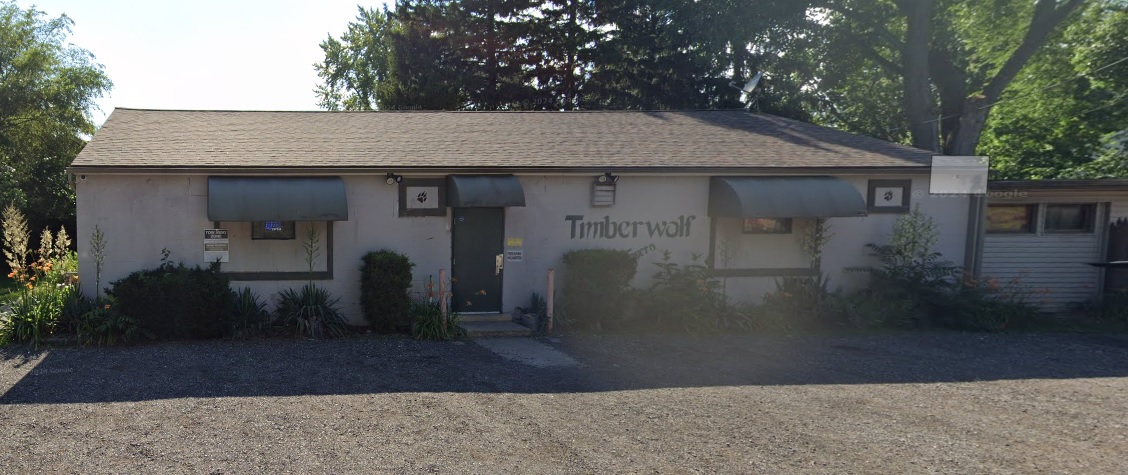
Historic bars in Toledo tell a larger story about the city itself. They reflect factory shifts, changing neighborhoods, immigrant communities, local entertainment, LGBTQ+ history, and the simple need for a familiar place where people can relax after work.
The names above the doors have often changed. Buildings have been remodeled, menus have grown, and entertainment has moved from jukeboxes and live bands to karaoke, music games, pool tournaments, and televised sports.
Still, the best neighborhood taverns have kept the same basic purpose: giving people a dependable place to gather.
Historic Bars in Toledo Grew Alongside a Working City
Toledo developed as a transportation, manufacturing, glass, and brewing center. Workers needed places close to their homes and jobs where they could eat, drink, exchange news, and spend time with friends.
Immigrant families also helped build Toledo’s hospitality tradition. Some worked in Toledo’s factories, while others opened restaurants, bars, and small businesses that became part of their neighborhoods.
Long before modern taprooms and entertainment districts, Toledo had a substantial brewing culture. Buckeye Brewing began operations in 1838, while Finlay Brewing opened in 1853. Local breweries supplied the saloons, hotel bars, beer halls, and taverns serving a growing city.
These establishments were rarely designed as tourist attractions. They belonged to the surrounding blocks.
Customers often knew the owner, the bartender, and most of the people sitting nearby. A neighborhood bar earned loyalty by being consistent, affordable, and familiar.
From Saloons and Beer Halls to Neighborhood Taverns
Early saloons were often straightforward places centered on beer, whiskey, cards, conversation, and sometimes food.
Over time, Prohibition, new alcohol laws, suburban growth, changing drinking habits, and shifts in Toledo’s economy changed what customers expected from a local bar.
After Prohibition, many taverns became more closely identified with a particular neighborhood or group of regulars. Some served factory workers coming off a shift. Others attracted college students, musicians, sports fans, downtown workers, or members of a particular community.
The neighborhood tavern became less about a formal saloon atmosphere and more about belonging to a familiar local place.
Historic photographs help preserve that history. The Toledo Lucas County Public Library’s downtown collection, for example, includes a 1972 photograph of the Monroe Bar at Monroe and Michigan streets. The building has since been demolished, but the image shows how closely taverns were once woven into Toledo’s commercial streets.
Toledo Bars Became Places of Belonging
The history of historic bars in Toledo is not only about buildings, drinks, or business names. It is also about who could enter, who felt comfortable, and where people could find community.
That is especially important in Toledo’s LGBTQ+ history.
The Scenic Bar, located at Erie and Monroe streets, has been described as Toledo’s first known gay bar. It opened during the 1920s and remained in operation until 1997. At the time it closed, it was reportedly the oldest gay bar in Ohio.
Bars such as the Scenic were more than nightlife businesses. At a time when many LGBTQ+ people faced isolation or discrimination, these establishments provided places to meet other people, socialize, and feel less alone.
As public attitudes changed, LGBTQ+ bars became more visible and increasingly connected to the broader community. Some also began attracting a more blended crowd of LGBTQ+ customers, allies, neighbors, couples, students, and longtime regulars.
That history remains important even as Toledo’s social landscape continues to evolve.
How Historic Bars in Toledo Adapted to New Expectations
Neighborhood bars survived because they changed without completely abandoning their identity.
A tavern that once relied mainly on drinks and a jukebox may now need a strong food menu, weekly entertainment, outdoor seating, social media, online search visibility, and later operating hours.
Food Became Part of the Neighborhood Bar Experience
Customers increasingly expect more than packaged snacks or a limited grill menu.
Burgers, pizza, sandwiches, appetizers, and house-made specials can turn a quick stop into dinner. They also make a bar useful to a wider range of customers.
Food changes how people use the space. Friends can meet for a meal before an event. Couples can stop in without planning an entire night around drinking. Regulars can stay longer, while first-time guests have another reason to walk through the door.
The modern neighborhood bar and grill is therefore both a social space and a casual local restaurant.
Entertainment Created New Neighborhood Traditions
Pool leagues, karaoke, trivia, Music Bingo, Name That Tune, drag entertainment, live music, and holiday gatherings have become the modern versions of the weekly neighborhood ritual.
The details have changed, but the basic idea has not.
People still want a reason to see familiar faces and return on a particular night of the week. Reliable events help a bar become part of someone’s routine instead of being a place they visit only once.
Patios Changed the Shape of the Local Tavern
Outdoor spaces have also changed neighborhood bars.
A patio gives customers a different atmosphere while allowing the business to host cookouts, games, music, community events, and larger gatherings.
For many modern bars, the patio is no longer an extra feature. It is part of the business’s identity and one of the main reasons customers return during warmer months.
Casey’s Place in Toledo’s Neighborhood Bar Story
Casey’s is part of this continuing local tradition.
The business began as R House in 1995 and became Casey’s in 2018. Its roots are firmly connected to Toledo’s LGBTQ+ community, while its present-day identity has grown into that of a welcoming West Toledo bar and grill for people from many different backgrounds.
Like the neighborhood taverns that came before it, Casey’s depends on familiarity and routine.
Regular events such as Music Bingo, Name That Tune, karaoke, and pool tournaments give customers reasons to return. The kitchen, patio, food specials, community gatherings, and late-night hours also reflect the way local bars have adapted to what people now expect.
Casey’s does not need to pretend that it is an unchanged relic from another era. Its history matters because the business has continued to evolve.
The name changed. The building and offerings changed. The crowd expanded.
However, the goal remained recognizable: provide a comfortable place where people can eat, drink, meet friends, and feel welcome.
Why Historic Bars in Toledo Still Matter
Historic bars in Toledo preserve a kind of local memory that is difficult to replace.
People remember where they met their friends, celebrated birthdays, heard a favorite song, joined a pool tournament, found acceptance, or gradually became a regular.
Not every old tavern survives, and not every surviving bar remains exactly as it once was. In fact, change is usually part of the reason a neighborhood business lasts.
The strongest bars respect their history while continuing to improve the experience for the customers walking through the door today.
That is the tradition Casey’s carries forward in West Toledo. It is rooted in LGBTQ+ community history, shaped by decades of neighborhood relationships, and still evolving as a bar, kitchen, patio, and gathering place.
Frequently Asked Questions About Toledo Bar History
What makes a Toledo bar historic?
A bar may be considered historic because of its age, its building, its connection to a neighborhood, its importance to a particular community, or the memories and traditions associated with it.
A business does not have to remain completely unchanged to have historical value.
How have Toledo neighborhood bars changed?
Many neighborhood bars have expanded beyond drinks by adding full food menus, patios, televisions, weekly entertainment, online marketing, and community events.
They have also become more open to mixed crowds and a broader range of customers.
How does Casey’s fit into Toledo bar history?
Casey’s began as R House in 1995 and was renamed Casey’s in 2018.
Its long connection to Toledo’s LGBTQ+ community, combined with its kitchen, patio, entertainment, and welcoming neighborhood atmosphere, makes Casey’s part of the city’s continuing tavern tradition.
Historic bars in Toledo are not only reminders of the past. At their best, they remain active parts of the neighborhoods they serve.
Help preserve Toledo bar history
This page is an ongoing history project.
Readers who remember a former Toledo bar can help by providing:
- The bar’s exact name and address
- Other names used at the same location
- Approximate opening and closing years
- Names of owners, bartenders or entertainers
- Photographs, menus, advertisements or matchbooks
- Personal memories that can be clearly identified as oral history
Whenever possible, memories should be checked against city directories, newspaper archives, property records, liquor-permit records and dated advertisements before being presented as established fact.
The signs may disappear and the names may change, but Toledo’s neighborhood bars remain an important part of the city’s story.
What are some historic bars in Toledo?
Documented examples include the Ottawa Tavern, the Scenic, the Brass Bell, R House, the original Bier Stube locations and later neighborhood establishments such as Doc Watson’s and Pat and Dandy’s.
What Toledo bars have changed names?
Documented changes include the Westmoreland Inn becoming the Ottawa Tavern, the original Bier Stube location becoming Demaries and then Pat and Dandy’s, and R House becoming Casey’s.
What was Toledo’s oldest gay bar?
The Scenic opened during the 1920s. When it closed in 1997, it was reported to be the oldest operating gay bar in Ohio.
Why did Toledo neighborhood bars begin serving more food?
Adding kitchens helped traditional taverns attract lunch and dinner customers, expand operating hours and compete with casual restaurants. Pat and Dandy’s describes food as a major reason for its success after the former shot-and-beer tavern added a kitchen.
Where can old Toledo bar names be researched?
Useful sources include Toledo city directories, the Toledo-Lucas County Public Library image collection, historical newspapers, old telephone books, liquor-permit records, property records and dated advertisements.