
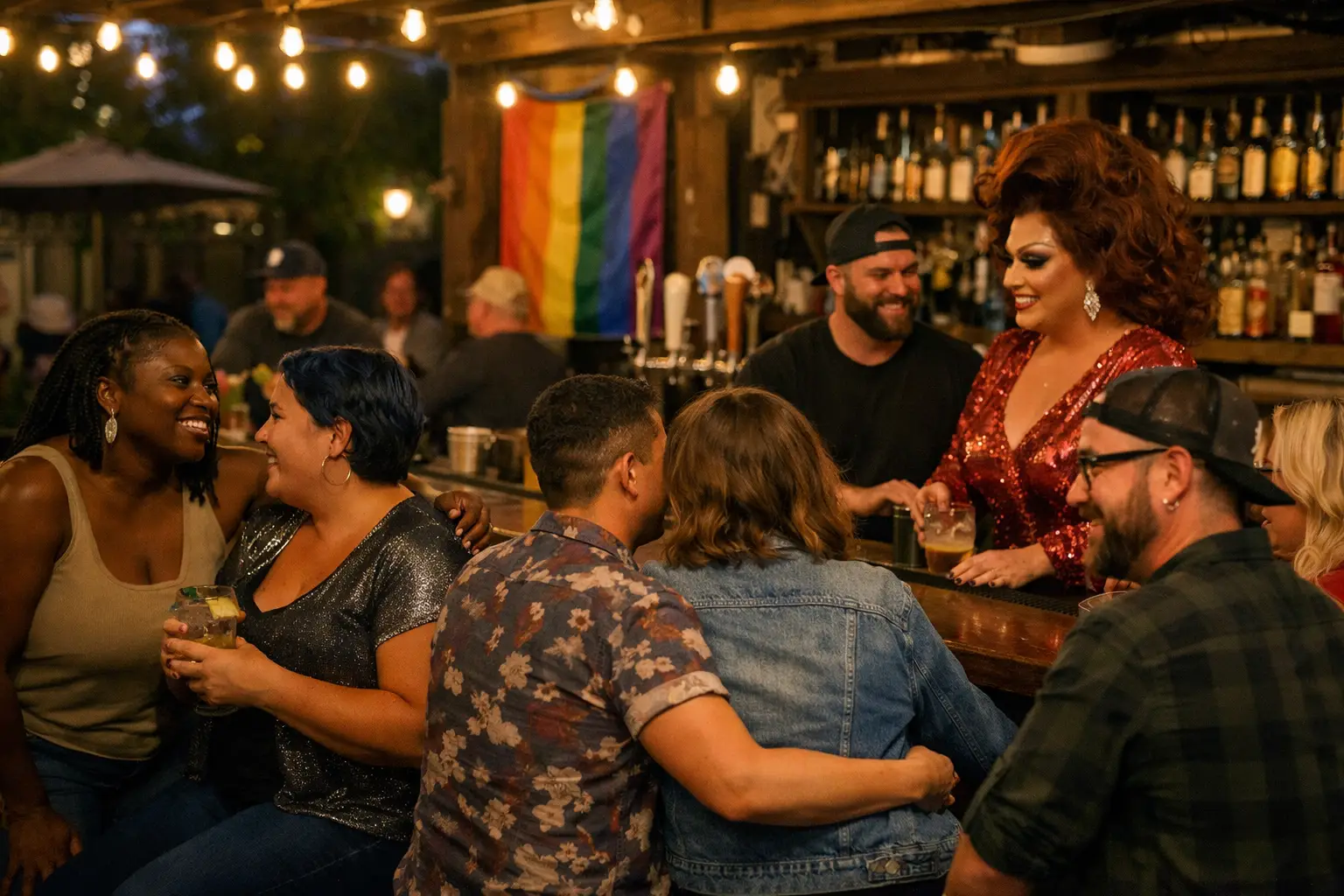
You can usually tell what kind of night you are about to have before the first drink even hits the table. It starts at the door, with the way staff greet people, how groups mix in the room, and whether the place feels relaxed or tense. If you are wondering how to choose inclusive nightlife venues, the best place to start is simple – pay attention to how a space makes different kinds of people feel, not just how it looks in photos.
That matters because “inclusive” is not a slogan. It shows up in the details. A venue can have good music, decent prices, and a packed calendar, but still feel cliquey, uncomfortable, or hard to settle into. On the other hand, a neighborhood bar with solid food, friendly bartenders, and a crowd that actually welcomes new faces can become the kind of place you return to again and again.
How to choose inclusive nightlife venues without guessing
A lot of people look for the obvious signals first. They check event flyers, social posts, or reviews. That is fair, and it helps, but the real test is whether the venue works for different people on a regular night, not just during one themed event.
Start with the welcome. When you walk in, are you acknowledged without being sized up? Does the staff seem patient and comfortable with a mix of ages, identities, and friend groups? Good service at an inclusive venue feels steady. You do not need to be a regular to be treated like you belong.
Then watch the room for a minute. Are people relaxed? Can couples, friend groups, and solo guests exist without drawing weird attention? Is there a mix of people actually talking, eating, playing pool, watching a game, singing karaoke, or hanging out on the patio? Inclusive places usually feel lived in. They are social without being performative.
The menu also tells you something. A venue that takes food seriously often creates a more balanced atmosphere. If people can come in for burgers, pizza, appetizers, or late-night food as easily as they can for drinks, it opens the door to more kinds of nights and more kinds of guests. Not everybody wants a high-volume club scene. Sometimes the best nightlife spot is the one where you can grab dinner, catch Music Bingo, and stay for one more round because the room feels right.
Look for consistency, not just branding
Some venues talk a big game about being welcoming. The harder question is whether that feeling holds up on a Tuesday happy hour, a busy Saturday night, and a random late-night stop.
Consistency shows up in how rules are applied. Are staff respectful with everybody, or only with the crowd they know best? If there is a problem, does the team handle it quickly and calmly? An inclusive venue does not need to be perfect, but it should feel like the people running it are paying attention.
This is where reviews can help, though they need to be read with some common sense. One bad review does not prove much. A pattern does. If multiple people mention friendly bartenders, a comfortable crowd, good pacing, and a space where they felt at ease, that means more than flashy branding ever will.
You should also notice whether the venue seems built for repeat visits. Places that last tend to create real community. In Toledo, that often means a mix of longtime regulars and first-time guests sharing the same room without tension. That blend matters. It is easy to claim you are open to everybody. It is more meaningful when people from different backgrounds actually keep coming back.
Events can reveal a lot about inclusion
Entertainment says plenty about who a venue expects to show up. If the calendar only caters to one narrow crowd, that is useful information. If there is variety, that is usually a better sign.
A good event mix might include karaoke, trivia-style games, drag performances, pool tournaments, live music, or low-key social nights where people can actually hear each other talk. The point is not to have every type of event. The point is to create room for different ways of being social.
That is one reason neighborhood spots often surprise people. They may not look trendy from the outside, but once you get in, there is a real mix of energy. One group is there for dinner. Another came for happy hour. Somebody is waiting for Name That Tune to start. Somebody else is just there to shoot pool and catch up. That kind of layered crowd usually feels more inclusive than a place built around one scene and one image.
It also helps when events are clearly communicated. If start times, cover details, kitchen hours, drink specials, and patio availability are easy to find, guests can plan ahead. That makes a venue more accessible for people who are new to the space or just do not want surprises.
Pay attention to the physical space
The room itself matters more than people sometimes admit. You can have a friendly staff and still end up in a space that feels awkward or hard to navigate.
Think about the layout. Is there room to move without bumping into everybody? Are there places to sit and talk, not just stand? If the weather is nice, does the patio offer another option for people who want a quieter pace? A large outdoor area with its own bar can make a night feel more comfortable, especially for groups with different social styles.
Noise level matters too. A venue does not have to be quiet to be inclusive, but it helps if the whole experience is not built around shouting over speakers. Plenty of people want nightlife without the club volume. A good bar and grill can handle both sides of the night – lively enough to feel fun, calm enough to hold a conversation.
Lighting, bathrooms, seating, and sightlines all affect comfort. None of this has to be fancy. In fact, polished spaces are not always the most welcoming. What matters is whether the environment feels manageable and relaxed, especially if you are meeting new people or visiting for the first time.
How staff shape the whole experience
The fastest way a venue becomes inclusive is through the people working there. Bartenders, servers, hosts, and security set the tone long before the crowd does.
Good staff read the room. They know when to chat and when to keep things moving. They serve regulars well without making new guests feel invisible. They handle mistakes without attitude. They also know how to keep the mood friendly without letting disrespect slide.
That last part matters. Inclusive does not mean anything goes. It usually means the opposite. The best venues have clear standards, even if they are informal about it. People are there to have a good time, not to test boundaries at somebody else’s expense.
If you are trying a place for the first time, a quick interaction can tell you a lot. Ask a simple question about the menu, the night’s event, or where to sit if you want a quieter corner. The response will usually give you a read on the place. Warm, direct service goes a long way.
Food and drink should support the night, not distract from it
People often separate nightlife from food, but that is a mistake. A place with reliable kitchen hours and house-made food tends to feel more grounded. It invites more kinds of guests and more flexible plans.
Maybe your group wants appetizers and a round before karaoke. Maybe somebody wants a burger, somebody else wants pizza, and another person is just there for a cold drink and the patio. That kind of range lowers the pressure. Nobody has to commit to one rigid version of going out.
It also helps with pacing. Venues that balance food, drinks, and entertainment often feel more comfortable over the course of a full evening. You can start early, stay late, and settle into the space instead of rushing through it.
That is part of why long-running neighborhood spots still matter. They are not asking you to perform a night out. They are giving you room to have one.
Trust the small signals
If you are still figuring out how to choose inclusive nightlife venues, trust what happens in the first half hour. Not the branding. Not the hype. The actual experience.
Do you feel welcome? Can your group relax? Is the staff steady? Does the crowd seem mixed in a natural way? Can you enjoy food, drinks, conversation, and entertainment without feeling out of place?
Those are the signs that matter. A truly inclusive venue does not make you work to belong there. It gives you a seat, a fair welcome, and a reason to come back. If you find a place that can do that on a regular weeknight, not just the big event nights, you have probably found a good one.